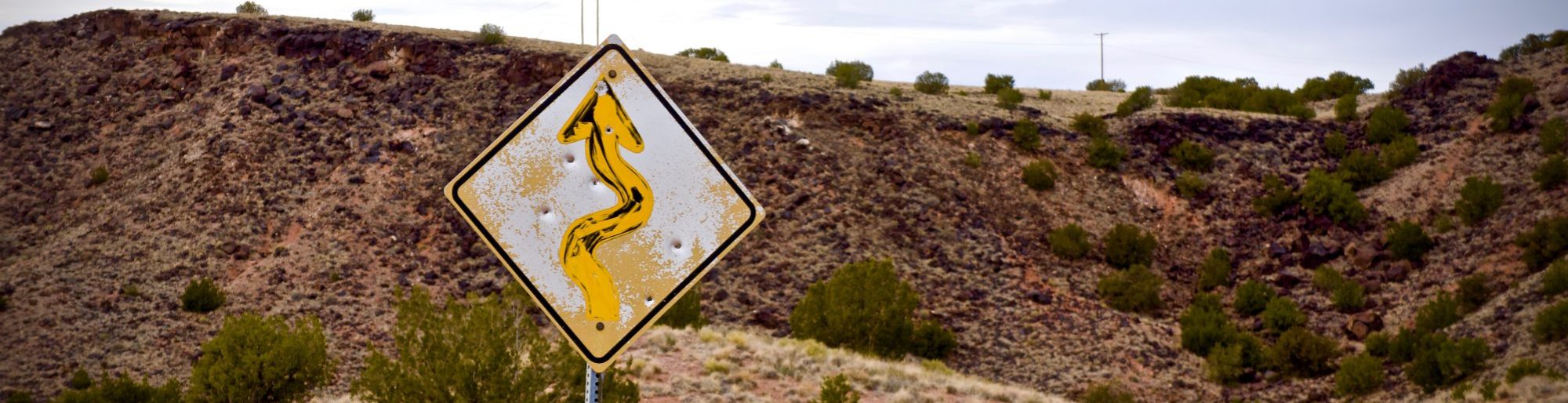
Solarizing The Back Yard To Kill Weeds

With summer approaching, it’s time to start focusing on outdoor projects and leave the indoor projects for the winter. Even if the weather doesn’t want to cooperate. The previous owners of my house had a section of the back yard, about 1500 square feet, sectioned off to grow grass including an underground sprinkler system. When I moved in to the house it had been unoccupied for a while and the weeds had taken over. I tried growing grass where it used to grow but haven’t had success.

CRW_9722 - Version 2

The problem, the low water grass (buffalo grass, blue gamma, etc) I’ve tried growing can’t compete with the weeds. I refuse to use chemicals to kill the weeds and I’ve tried manually cutting down the weeds down and pulling them out but it hasn’t been effective enough (especially against the dreaded goat heads aka Tribulus terrestris).

I’ve discovered a chemical free method of eliminating weeds on a large scale called solarization. It uses transparent plastic directly on the ground to bake the soil and will kill seeds. It’s possible to cook the soil 6 inches deep and at 125 degrees ore more. The University of Arizona has a good article on the process for use in Tucson (also see Wayne Schmidt’s Solarization Page) and should adapt to New Mexico.

The timing for installing the plastic is good right now, it has just rained giving the ground a good soaking and the spring winds died off long enough to install the plastic. My first try was using 108 square feet of 1 mil painters drip cloth. The thinner the plastic the better the sun penetrates but 1 mill is too thin for this application. Even though I had cut down the weeds even a little bit of plant materials was able to puncture the plastic. Smaller sections of plastic are harder to manage than larger sheets.

I was able to find 500 square feet 4 mil plastic sheets at the local WalMart (as much as it pained me to have to enter the place). It wasn’t cheap at a cost of $20 per roll. I could have probably put a ad on craigslist and found some plastic sheeting for free but I have a limited window to install it.

CRW_9724 - Version 2

The installation of the plastic went well. I used bricks to hold the plastic down while I laid it out. I then dug a trench around the perimeter and used the dirt to seal the edges. I used two sheets and overlapped them about 6 inches using bricks and landscape staples. It’s important that air cannot get under the plastic sheeting so the moisture and heat stays under the plastic.

CRW_9729 - Version 2

I’m not planning on growing grass in the entire area where grass originally grew, only about 1000 square feet so two sheets should be sufficient. Since I will be out of town for most of the summer the ground should be well cooked by time I get back. I will try to make regular soil temperature readings during the summer.

Front Porch Raised Desert Garden

The temperature has been in the 60’s and 70’s in Rio Rancho and Albuquerque this last week. I decided to stop work on the master bathroom project and foucus on outdoor projects why the weather is good. There’s a good chance I will be sent out of town in spring and early summer so I won’t get a lot of chance work on the outdoor projects until fall.

There’s a structure in on my front porch under my front window, the best I can think to call it is a flower box or a raised planting bed. It’s about 8 feet long and two feet wide and a permanent structure made of brick.

IMG_1633

The previous owners had something growing in it. I’m not sure what it was as there is no signs of life in it and it’s filled with potting soil. The only thing that it has really been used for is a litter box for the neighborhood cats.

This area of the front of my house is ugly and I get disgusted to look at it every day I walk by it. I’ve been thinking about what I wanted to do with this area for a while, I considered tearing it out and concreting the whole area but that’s going to be just as ugly as the mess that is already there. I decided to make it into a desert rock garden with a few low water usage native plants. This will also be the prototype for what the rest of the front yard will look like.

I’m using low water usage desert plants in the yard which generally like sandy soil. I removed about 6 inches of potting soil (and cat crap) from the raised bed and replaced it with sandy New Mexico dirt from the backyard. I didn’t worry too much about the dirt being clean and I doubt the plants will care.

IMG_1635

Of of my goals with this project is try and reuse materials I already have. I searched my property for volunteer plants that have sprouted up around the yard. I found two different types of Yucca in the yard (yucca is the state flower of New Mexico). Yucca is a rhizome and from what I have read, appear to be pretty forgiving when removing from the ground.

There was one kind of Yucca in the very front of my property near the road. It was challenge digging these two plants up because of the spikes on the end of their leaves.

IMG_1654

Further up my property there are several more mature Yucca plants of a different variety. They had some smaller plants sprouting near them. The smaller plants were much easier to dig up. I actually don’t know exactly what kind of Yucca varieties any of these plants are.

IMG_1636

I was dissapointed that I didn’t find any cacutus anywhere on my property. I ended up buying a small barrel cactus from Lowes for about $10. In retrospect, it was probably easier to buy the cactus and transplant it from the panter rather than dig it up. Getting it out of the planter was difficult enough by itself. Each of the Yucca plants would have probably cost about $10 each, so I saved about $40 in plantings.

I found some small bunches of what I believe is buffalo grass on the south side of my property. They have been growing there for several years but I have a feeling they won’t survive due to the lack of a full day’s sun at the front of my house.

The material I have in the most abundance is rock. It’s unfortunately the kind of rock I would rather not have. It’s small, less than 1 inch, round and grey river rock. The original landscapers were in love with this stuff. It’s everywhere, in the front yard, in the backyard and on the side yard.

The side yard has a thick layer of the round river rock and this is where I access my back yard with a vehicle. Driving on round river rock is very much like driving on marbles. A better choice would be to use the angular aggregate and if I was starting over I would use decomposed granite. In any case I’m stuck with this stuff so I will try to reuse as much of it as I can and make it look nice.

There’s also a small amount of dark red volcanic rock aggregate, which is native to New Mexico, and larger boulders in the yard. I used both the river rock and the volcanic in the raised bed.

IMG_1660 - Version 2

This is my first attempt at desert landscaping and I think the results came out good. You can view all the photos of front porch landscaping project on Flickr.

IMG_1661IMG_1662IMG_1663

The next project will be to do something about the ugly 1970’s white rock that borders the raised bed.